
Traditional wisdom. Thoughtful care.
Begin with your needs. Find an approach that feels right for you.
Acupuncture
Precise care. A gentler pace.
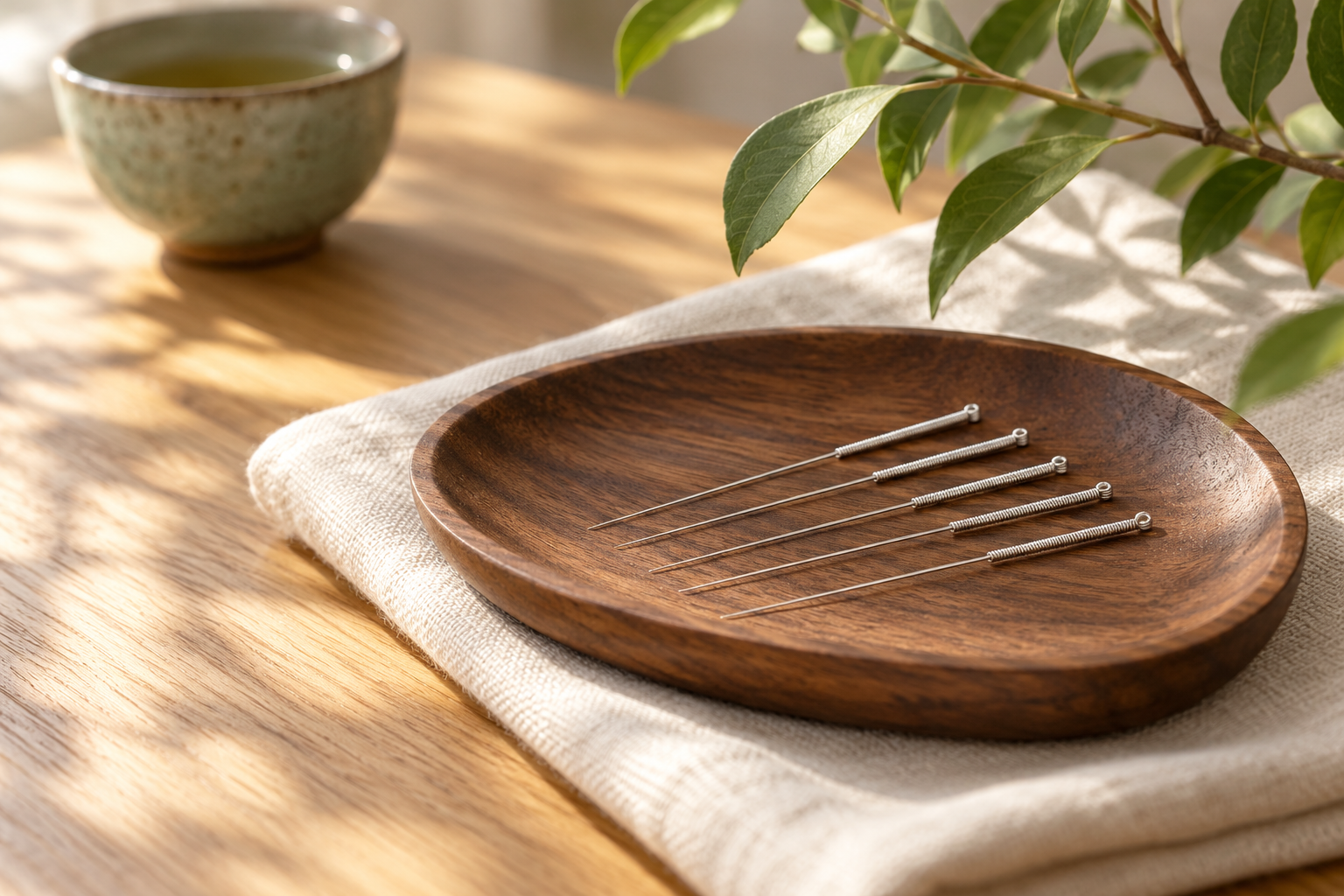
Acupuncture uses fine needles at selected points. Your plan considers your main symptoms, existing diagnoses, medications, and daily activities—with attention to how discomfort affects sleep, work, walking, or exercise.
Concerns to discuss
Neck pain, chronic back pain, knee osteoarthritis pain, and recurring tension headaches or migraines may be appropriate topics for an acupuncture assessment. Research supports benefit for some pain conditions and reduction in certain headache patterns, although individual results vary. Sleep, digestive, stress-related, and menstrual concerns can also be discussed to determine whether supportive care is appropriate.
Treatment and reassessment
The first assessment explores when symptoms began, triggers, previous testing, and treatments already tried. Point selection and stimulation are individualized. Tell May about pregnancy, bleeding concerns, blood-thinning medicines, and implanted devices such as a pacemaker. Follow-up may track pain scores, headache days, sleep, and activity. Visit frequency is adjusted to your response; limited improvement or changing symptoms calls for reassessment and, when needed, referral.
Herbal Medicine
Traditional knowledge. Individual attention.
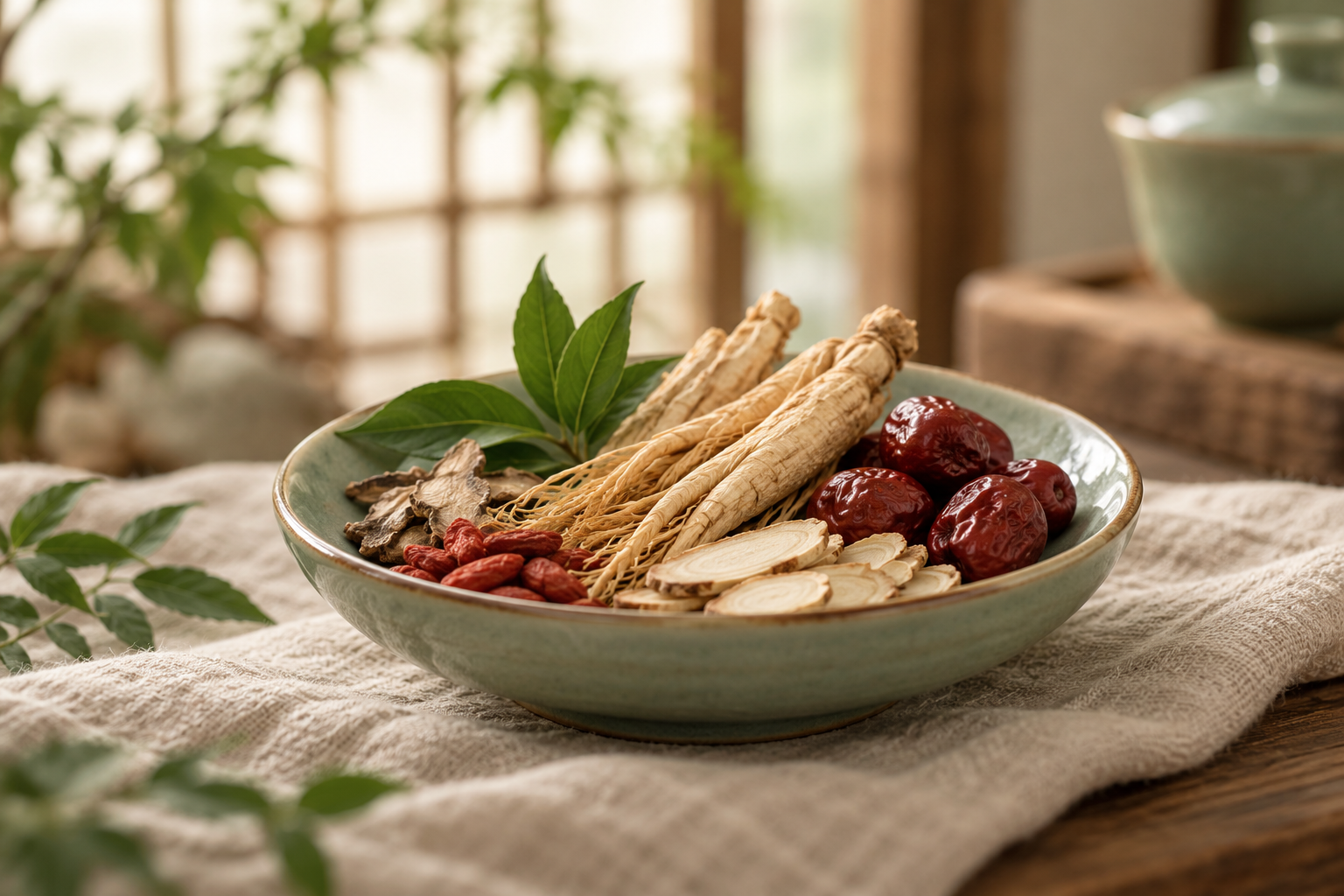
Herbal care starts with a review of your health history and an assessment informed by Traditional Chinese Medicine. Similar symptoms can have different causes, so a formula is not selected from a symptom alone.
What a consultation covers
Appetite changes, bloating, bowel habits, sleep, and menstrual concerns can be discussed. May reviews symptom patterns, diet, existing diagnoses, and current medicines before considering herbs or nutritional guidance. Evidence differs by condition and formula, and herbal treatment is not the right first choice for everyone.
Recommendations and follow-up
If herbs are recommended, guidance includes use instructions, what to monitor, and follow-up arrangements. Custom herbal formulas are priced separately based on individual needs. Bring a complete medication, supplement, and allergy list, and disclose pregnancy, breastfeeding, or liver or kidney conditions. Herbs can interact with medicines; do not stop prescribed medication on your own, and contact the clinic about unwanted effects.
Warming Therapy
Comfort through gentle warmth.
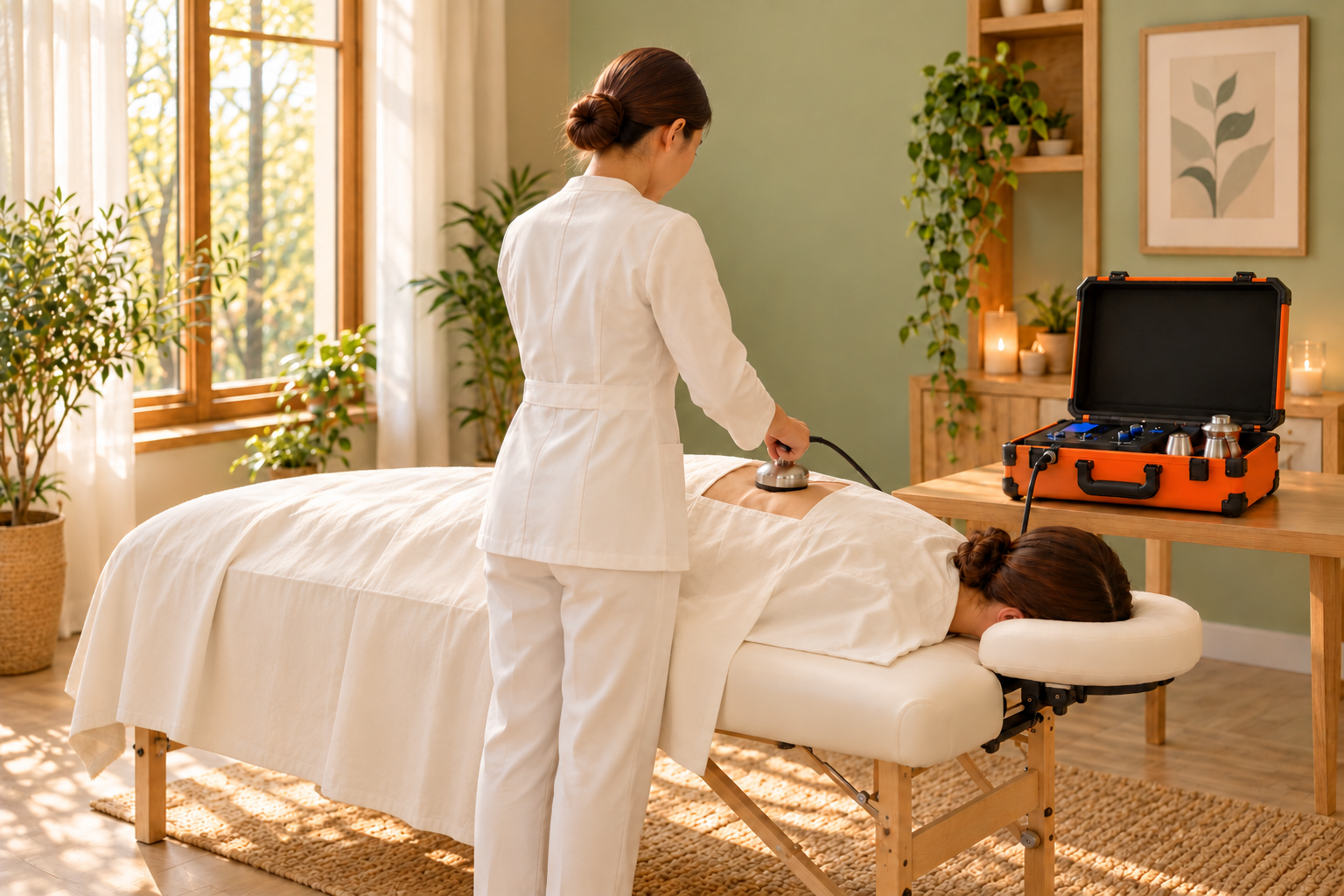
Warming therapy applies carefully monitored warmth as part of an individualized plan for discomfort involving muscle tension or stiffness.
When to discuss it
Neck, shoulder, or back tightness that feels more comfortable with warmth may be worth discussing. The treatment area and heat level depend on symptoms and skin condition. Redness, swelling, acute injury, or unexplained pain needs assessment before deciding whether heat is appropriate.
During your session
The method, area, and intensity are explained before treatment, with feedback throughout. Tell May about reduced sensation, circulation problems, or broken skin. Warmth should feel comfortable; report burning or discomfort immediately. Follow-up focuses on stiffness and ease of movement, rather than treating higher heat as a sign of better results.
Community Acupuncture & Meditation
Shared space. Personal care.

Community acupuncture offers individual assessment and acupuncture care in a quiet shared setting. Gentle meditation and breath awareness are supporting elements, while each person retains individual treatment goals.
Who may consider this format
Patients who have been assessed and want ongoing care for pain or tension can discuss whether a shared setting fits their needs. A private visit is preferable when detailed examination, greater privacy, or a complex health history requires more attention. Community care does not replace necessary diagnosis or specialist treatment.
Before attending and follow-up
Confirm availability, the session format, and whether an initial private visit is needed. May considers appropriate points and arrangements and reviews changes in your symptoms. No meditation experience is required. Discuss sensitive health information privately before treatment.
Mind–Body Practices
Move gently. Breathe naturally.

Tai Chi, Qigong, breath awareness, and meditation can extend care into everyday life. These practices complement treatment by emphasizing manageable activity and self-care habits.
Practical goals
Depending on your health, goals may include managing tension associated with persistent pain, building confidence in movement, improving balance, or coping with stress. Research supports Tai Chi for balance in some populations and certain pain conditions; evidence and results vary across practices.
Making practice manageable
Mobility, balance, stamina, and previous injuries guide the choice of movements and practice length. Gentle, regular practice should not require pushing through pain or forced breath-holding. Review can focus on everyday function, ease of movement, and tolerance. Ask which individual guidance or group sessions are currently available.
Personalized Care
Care for the whole person, shaped around you.
Personalized care brings your symptoms, existing conditions, health history, routines, and priorities into one plan. May draws on nursing and Chinese medicine experience to discuss acupuncture, herbs, nutritional guidance, and suitable adjunctive therapies.
Cupping & Gua Sha
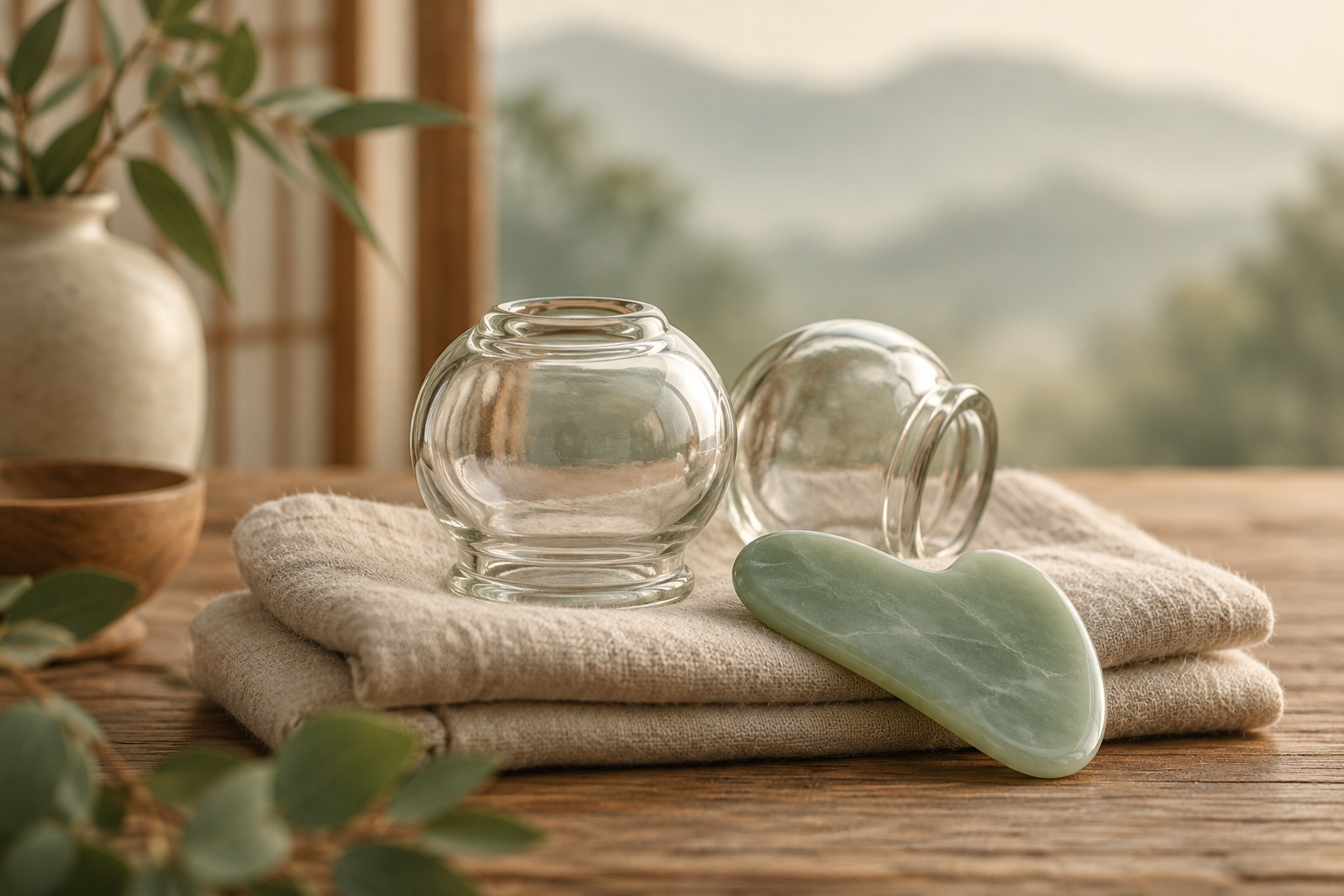
For some muscle tightness, local aching, or stiffness, cupping or gua sha may be discussed after assessment. Cupping applies suction to the skin; gua sha uses a tool to apply controlled strokes over lubricated skin. These approaches may offer short-term comfort, but evidence for pain relief remains limited and they do not replace evaluation of the cause.
Before and after treatment
The area, intensity, and possible temporary skin marks or soreness are discussed beforehand. Disclose blood-thinning medicines, easy bleeding, skin conditions, or wounds. Darker marks do not mean better results. Contact the clinic about significant pain, blisters, or other unexpected reactions.
A plan guided by progress
Choose a priority that matters in daily life, such as less pain interference, easier movement, or better sleep. Symptom records and follow-up guide adjustments. Further testing, medication changes, or specialist care may require coordination with the appropriate clinician.
Further reading
NCCIH — AcupunctureNCCIH — Traditional Chinese Medicine
NCCIH — Cupping
NCCIH — Tai Chi